
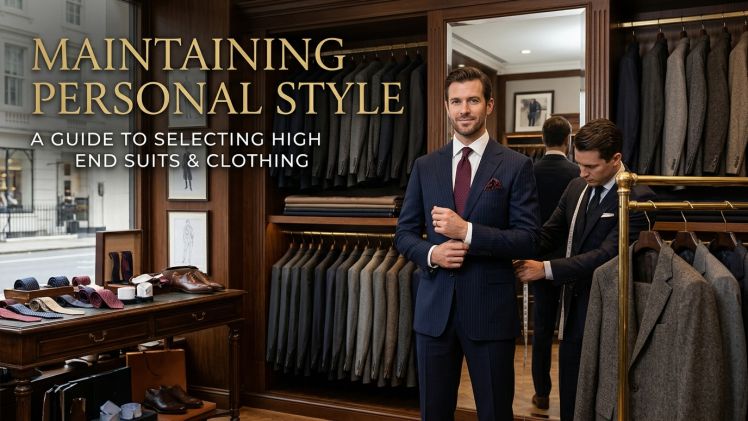
Choosing how to dress is a reflection of professional intent and individual presentation. Whether for significant milestones, daily office interactions, or social events, the clothing one chooses to wear carries weight. For those interested in high end suits and clothing, the decision-making process often moves beyond simple utility and into a focus on craftsmanship, material composition, and the specific architecture of a garment. Understanding these elements can lead to a wardrobe that serves its purpose for many years.
Distinguishing Quality in Tailored Garments
When evaluating high-end clothing, the most important factor is the construction method. A well-constructed garment is typically designed to move with the wearer rather than against them. Many individuals find that the difference often lies in the internal structure of a jacket—specifically, whether it is canvas-backed or fused.
A canvas interior typically allows the fabric to drape naturally and conform to the wearer’s unique shape over time. This process creates a fit that becomes more comfortable and personalized with repeated use. In contrast, fused garments—where interlining is glued to the outer fabric—can sometimes appear stiff or lose their structural integrity after repeated cleaning. A thoughtful shopper often examines the lapel, the finish of the buttonholes, and the internal lining to assess the level of detail provided by the garment maker. These features serve as indicators of the care taken during the assembly of the piece.
The Role of Material Selection
The feel of a garment is primarily dictated by the quality of the raw fibers used in the fabric. Natural fibers, such as wool, silk, linen, and cotton, typically offer different performance benefits. Wool, for instance, is often favored for its resilience and ability to regulate temperature, making it a frequent choice for professional attire.
When looking at high-end offerings, one might notice references to the “super count” of wool. While these designations refer to the fineness of the fiber, it is useful to recognize that thinner is not always better. A very fine fiber might offer a softer hand, but it may also be more susceptible to wear. A balanced approach involves considering the intended use of the clothing. For daily professional wear, a more substantial weave typically provides better durability and maintains a crisp appearance throughout the day. Evaluating the weight and drape of the fabric under natural light helps determine if the material aligns with one’s lifestyle and environment.
Tailoring and the Importance of Proportion
Even the finest garment can fail to impress if it does not fit the wearer correctly. Proportion is the mechanism that determines how a garment sits on the frame. Professional tailoring is rarely just about shortening sleeves or hemming trousers; it is about adjusting the balance of the jacket, the taper of the trousers, and the alignment of the shoulder.
Many find that working with a skilled tailor allows them to bridge the gap between “off-the-rack” sizing and a personalized fit. A knowledgeable tailor can evaluate the way a garment interacts with the wearer’s posture and make subtle adjustments that enhance the overall silhouette. When assessing a potential purchase, one should consider the ease of modification. Garments with sufficient seam allowance often provide more flexibility for adjustments, ensuring that the piece can be tailored to the wearer’s specific measurements.
Integrating Grooming and Presentation
Refinement in appearance is rarely achieved through clothing alone; it requires a holistic approach to presentation. For many who invest in high-quality attire, the care and maintenance of that attire—and one’s personal grooming—are equally essential. This is where products like best beard oil and other grooming essentials come into play.
A well-groomed appearance acts as a complement to a tailored suit. Just as the fabric of a jacket benefits from proper maintenance and pressing, the hair and skin require consistent attention. The use of quality grooming products can help ensure that facial hair appears tidy and well-conditioned, which prevents the look from becoming unkempt. The goal of using such products is to achieve a finish that looks deliberate and clean, supporting the visual impact of the clothing itself. When selecting grooming aids, individuals often find that focusing on ingredients that provide hydration and a subtle, clean scent works best for a professional setting.
Aligning Style with Personal Needs
The path to building a curated wardrobe is personal and should be based on long-term utility rather than temporary trends. One should weigh the frequency of use, the climate in which they reside, and the nature of their daily interactions.
If a wardrobe is primarily intended for a business environment, prioritizing versatile staples—such as solid colors and classic patterns—typically yields the most value. These pieces can be styled in various ways, allowing for a broader range of appearances with a smaller number of high-quality items. Conversely, for those who primarily attend social functions, there may be more room to experiment with textures and unique detailing.
Empowering Your Wardrobe Choices
Building a collection of clothing that you feel confident in is a process of refinement. It involves learning what fabrics suit your environment, understanding how different structures affect your comfort, and recognizing the value of professional tailoring. By focusing on the fundamentals—the construction, the material, the fit, and the grooming that accompanies the look—you can make informed decisions that stand the test of time.
Take the time to evaluate your current rotation. Identify which pieces you reach for most often and consider why they work well for you. Use those insights to guide future additions, ensuring that each new item serves a specific purpose in your collection. Ultimately, the most successful wardrobe is one that is built thoughtfully, piece by piece, reflecting your personal standards and professional journey.


