The Everest Base Camp trek is one of the most iconic treks in the world, offering trekkers the chance to stand at the foot of Mount Everest, the tallest mountain on Earth. Many dream of completing this trek, but there are several things that only those who have actually done the trek know. Is it really as tough as people say? What is it like to hike in the Himalayas? Are there really bodies on the trail? These are all valid questions—and in this blog, we’ll explore what the Everest Base Camp trek is truly like.
Having trekked to Everest Base Camp twice, there are many things I wish I had known before my first experience. From the logistics of getting to the trek start point to the conditions along the trail, this guide aims to provide the real truth about what to expect.
Let’s dive into the details and make sure you’re prepared for the adventure of a lifetime!
Quick Facts About the Everest Base Camp Trek
Before we dive into the real experience of trekking to Everest Base Camp, here are some quick facts about the trek:
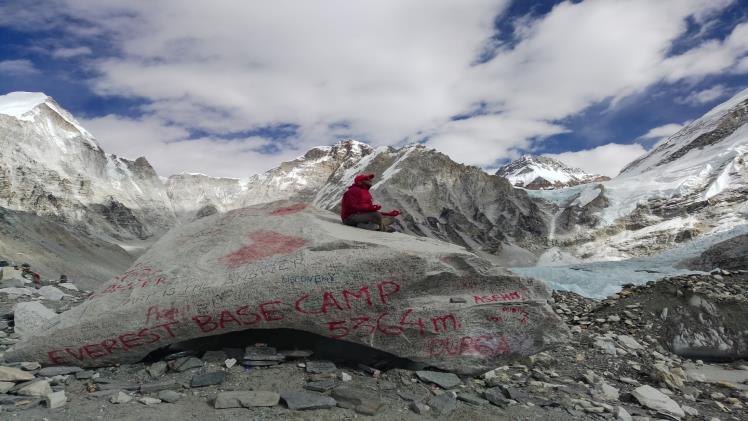
- Location: The trek takes place in the Himalayan Mountain range in Nepal, with Everest Base Camp situated at 5,364 meters (17,598 feet).
- Duration: The trek typically takes 12 to 14 days, with trekkers covering approximately 80 miles (128 kilometers) on an out-and-back trail.
- Best Time to Trek: The best time to trek to Everest Base Camp is between March to May or September to November, when the weather is generally favorable for trekking.
Now, let’s talk about the logistics, what to expect, and the challenges of trekking to Everest Base Camp.
1. The Logistics: Getting to the Start of the Trek
Your adventure begins in Kathmandu, the chaotic and vibrant capital of Nepal. Kathmandu is a hub for trekkers heading to various trekking destinations in the Himalayas, including Everest Base Camp.
Getting to Lukla
Once in Kathmandu, most trekkers fly to Lukla, the starting point of the Everest Base Camp trek. However, as of now, trekkers cannot fly directly from Kathmandu to Lukla. Instead, they must take a 7-8 hour drive to Ramechhap airport.
The road to Ramechhap is bumpy, with winding mountain roads and riverbeds. Motion sickness can be an issue on this drive, so it is recommended to take motion-sickness medication beforehand.
From Ramechhap, trekkers board a 20-minute flight to Lukla Airport, which is known for being one of the most dangerous airports in the world. However, while the flight is short, it can be turbulent at times, but the pilots are highly skilled and the flight is typically safe. Upon arrival in Lukla, the trek officially begins.
2. What to Expect from the Trail
The Everest Base Camp trek is a physically demanding journey. The trail is an out-and-back route, meaning trekkers follow the same path to Everest Base Camp and back down.
The trail conditions vary, with some parts relatively smooth and others quite challenging. There are steep sections, numerous stairs, rocky paths, and bridges over rushing rivers. While the terrain can be demanding, the real challenge lies in the altitude and the gradual ascent over the course of 12–14 days.
How Fit Do You Need to Be?
You don’t need to be a super athlete to complete the Everest Base Camp trek, but you should be physically prepared. If you’re generally active and able to hike several hours at a time on uneven terrain, you’re likely to do well. The real challenge comes from the altitude and the day-after-day grind of trekking at high altitudes.
What Makes the Trek Challenging?
What makes the trek particularly challenging isn’t necessarily the terrain, but the altitude.
- Starting point (Lukla): 9,400 feet (2,865 meters).
- Everest Base Camp: 17,500 feet (5,364 meters).
- Kala Patthar (a popular viewpoint near EBC): 18,500 feet (5,640 meters).
The higher you go, the thinner the air becomes, and this can lead to altitude sickness, which is the biggest concern on the trek. The trek is long and physically demanding, with 5-7 hours of hiking each day. The altitude makes each step more difficult, and you’ll find yourself moving more slowly as you ascend.
3. Acclimatization: The Key to Success
Acclimatization is crucial on the Everest Base Camp trek. If you ascend too quickly, the lack of oxygen at higher elevations can cause serious health issues.
Most trekking itineraries include rest days at key points on the trek, such as Namche Bazaar and Dingboche, to allow trekkers to acclimatize. On these rest days, trekkers stay in the same location and take short hikes to higher altitudes, then return to lower altitudes to sleep. This helps the body adjust to the thinner air.
4. What Are the Toilets Really Like?
Toilets along the Everest Base Camp trek are one of the most frequently asked questions. There is no shortage of places to relieve yourself, but the facilities might not be as luxurious as one might expect.
- No Toilet Paper: Toilets along the trail typically don’t provide toilet paper. It is essential to bring your own supply or buy some at Namche Bazaar or along the way.
- Squat Toilets: Most toilets along the trail are squat toilets, though some tea houses have western-style toilets. The condition of the toilets may vary, especially at higher altitudes.
A wet wipe or toilet paper is essential for personal hygiene on this trek, especially since showers are rare and the weather can be cold. Many trekkers go for days without a proper shower, so be prepared for a less-than-glamorous trek.
5. The Food: What You’ll Be Eating Every Day
While trekking to Everest Base Camp, you’ll be relying on the tea houses for food. The food is generally simple but hearty, with plenty of vegetarian options. Here’s a typical breakdown of meals:
- Breakfast: Often includes eggs, Tibetan bread, oatmeal, and boiled potatoes. Breakfast options are generally filling and provide energy for the day ahead.
- Lunch: Most commonly, dal bhat (lentils and rice) is served, which is the staple food of Nepal. This dish is refillable, meaning the restaurant staff will offer more rice and lentils if you finish your portion.
- Dinner: Similar to lunch, fried noodles and fried rice are common, along with garlic soup (which is beneficial for altitude sickness). Korean ramen is also available in many tea houses.
While the food along the trek is filling, it’s highly recommended to avoid meat and bakery items due to the potential risk of food poisoning at higher altitudes. Stick to simpler, cooked meals to minimize any stomach issues.
6. The Altitude and The Struggle
Altitude sickness is the primary concern during the trek. Symptoms of altitude sickness include headaches, fatigue, and nausea. If you experience severe symptoms, it’s essential to descend immediately.
Many trekkers in the group opted to take Diamox (a medication for altitude sickness), but it doesn’t guarantee protection. The impact of altitude varies from person to person. Even seasoned trekkers can feel the effects.
7. Trash on the Trail: Is It Really a Problem?
In the past, Everest was known for its trash problem. As climbers and trekkers flocked to the region, there was a lack of proper waste management. However, in recent years, there have been substantial efforts to clean up the mountain and surrounding areas.
Sagar Matha Next and other organizations have been instrumental in bringing trash down the mountain and implementing better waste disposal systems. Trekking on the EBC trail today, trekkers will rarely encounter trash, and the area is much cleaner compared to previous years.
8. Training and Fitness: How Fit Do You Need to Be?
Preparing physically for the Everest Base Camp trek is essential for a successful journey. While the trek doesn’t require advanced technical climbing skills, it does demand stamina and endurance. The best way to train is by walking with a weighted backpack and hiking uphill.
Building leg strength and cardiovascular endurance is crucial. Trekkers should practice hiking for several hours on uneven terrain and increase the weight in their pack as the trek approaches.
Additionally, ensure that trekking boots are properly broken in before the journey to avoid painful blisters.
9. Tea Houses: A Unique Experience
The tea houses on the trek are basic lodges run by local families. These small, family-run businesses provide accommodation and meals during the trek. While the lower-altitude tea houses may be beautifully designed, the ones at higher altitudes, such as in Lobuche and Gorak Shep, are more basic.
The tea houses offer a warm place to eat, sleep, and rest after a long day of trekking. However, expect cold nights in rooms with no heating, and thin walls that do not provide much insulation. A blanket and pillow are provided, but trekkers may still need to sleep in multiple layers to stay warm.
10. Unique Experiences Along the Way
There are several unique experiences that trekkers can enjoy along the Everest Base Camp trail. Here are a few notable ones:
- Hair Wash in Namche Bazaar: After several days of trekking, a hair wash in Namche Bazaar feels like a luxury. Many tea houses and salons offer this service.
- Sherpa Culture Museum: Located in Namche Bazaar, the museum offers insights into the lives of the Sherpa people, showcasing traditional homes and their contributions to Everest expeditions.
- Tangboche Monastery: One of the most scenic and spiritual places on the trek, Tangboche Monastery offers beautiful views of Everest, Lhotse, and Ama Dablam.
- Memorials on the Dughla Pass: This memorial site, located at the top of Dughla Pass, honors fallen climbers and mountaineers. The prayer flags and memorial stones create a solemn yet beautiful tribute to those who perished in the mountains.
Final Thoughts
Trekking to Everest Base Camp is one of the most physically demanding and spiritually rewarding experiences you will ever have. It offers a deep connection to the Himalayas and the Sherpa culture, all while challenging your body and mind.
With careful preparation, you can ensure your journey is not only safe but also unforgettable. From acclimatization and training to the realities of tea houses and the altitude grind, every step of the way offers a new lesson and a deeper appreciation for the natural beauty and human spirit.
Whether you’re tackling the trek for the first time or returning for another go, the experience will stay with you for life—an adventure that bonds trekkers together and leaves them with memories to cherish forever.