Dominate Matches in Online Games

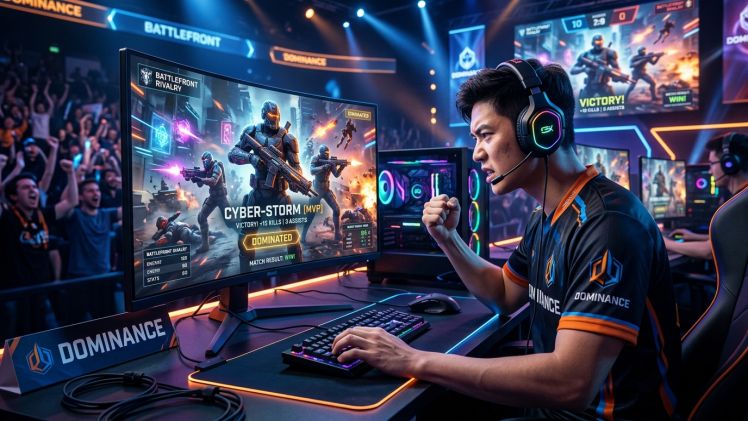
Winning consistently in online games requires more than quick reactions or powerful equipment. Strong players combine preparation, awareness, decision-making, communication, and emotional control to gain an advantage throughout every match. Whether you enjoy competitive shooters, strategy titles, sports games, or multiplayer adventures, developing reliable habits can make your performance more consistent and enjoyable. For players seeking a stronger competitive mindset, agb99 can support a broader approach to improving online game-play.
Build a Strong Foundation
Before focusing on advanced techniques, understand the basic mechanics of your chosen game. Learn movement, controls, maps, objectives, character abilities, equipment, and scoring systems. Practice until essential actions become natural rather than requiring conscious thought. When basic mechanics are automatic, you can devote more attention to opponents, positioning, and tactical opportunities.
Use practice modes whenever possible. Repeating difficult movements or combinations helps improve accuracy and timing without the pressure of a competitive match. Review mistakes instead of simply playing more games. Identifying one recurring weakness and working on it deliberately can produce greater improvement than hours of unfocused play.
Master Positioning and Awareness
Good positioning often separates average players from dominant competitors. Avoid standing in predictable locations, exposing yourself unnecessarily, or moving without a clear purpose. Think about where opponents are likely to appear and choose positions that provide useful information, protection, or strategic advantages.
Awareness also means tracking important events. Pay attention to enemy locations, resources, cool downs, objectives, remaining players, and changes in the match environment. Developing a habit of checking relevant information regularly can help you anticipate threats before they become immediate problems.
Make Better Decisions
Fast decisions matter, but intelligent decisions matter more. Before taking action, quickly consider the potential reward, risk, and alternatives. Sometimes attacking is correct, while retreating, repositioning, or waiting creates a better opportunity.
Learn to recognize patterns in your opponents. If someone repeatedly uses the same route, ability, defensive position, or attack timing, prepare for it. Adaptation forces competitors to change their plans and can gradually give you control of the match pace.
Improve Communication
In team-based games, individual skill is only part of success. Clear communication helps teammates coordinate attacks, defenses, rotations, and objectives. Keep call-outs short, specific, and useful. Instead of expressing frustration, give teammates information they can act on immediately.
Control Your Mental Game
Emotional control is an overlooked competitive skill. Losing several matches can create frustration, impatience, or reckless decision-making. When emotions begin affecting your choices, take a short break and reset your focus.
Avoid blaming teammates, opponents, equipment, or luck for every poor result. External factors can influence matches, but constructive players concentrate on what they can control. A calm mindset makes it easier to analyze situations objectively and respond effectively.
Study and Adapt
Improvement becomes faster when you study your own game-play. After difficult matches, identify specific moments where your decisions could have been better. Ask whether you were poorly positioned, too aggressive, slow to react, or unaware of important information.
Watching experienced players can also reveal useful strategies. However, do not copy techniques unthinkingly. Understand why a particular decision works, then adapt it to your own play-style, strengths, and game knowledge.
Create a Consistent Routine
A practical routine can make improvement easier. Warm up before competitive sessions, set one or two goals, and focus on quality rather than simply accumulating matches. After playing, review a few important moments and note what you learned.
Physical comfort matters too. Maintain a suitable posture, adjust your display settings, use comfortable controls, and take regular breaks. Fatigue can reduce reaction speed, concentration, and decision quality, especially during long sessions.
Play With Purpose
Dominating online matches isn’t about winning every game. Even highly skilled players experience losses, unfavorable match ups, and unexpected situations. The real goal is to build skills that remain useful across different opponents and circumstances.
Focus on better decisions, stronger awareness, effective communication, disciplined resource use, and steady emotional control. When these habits become consistent, victories become a natural result of improved performance rather than luck. Review progress weekly, celebrate improvements, and adjust training goals as your skills continue to develop. With deliberate practice and continuous adaptation, you can enter every match more prepared, confident, and capable of controlling the game from beginning to end.